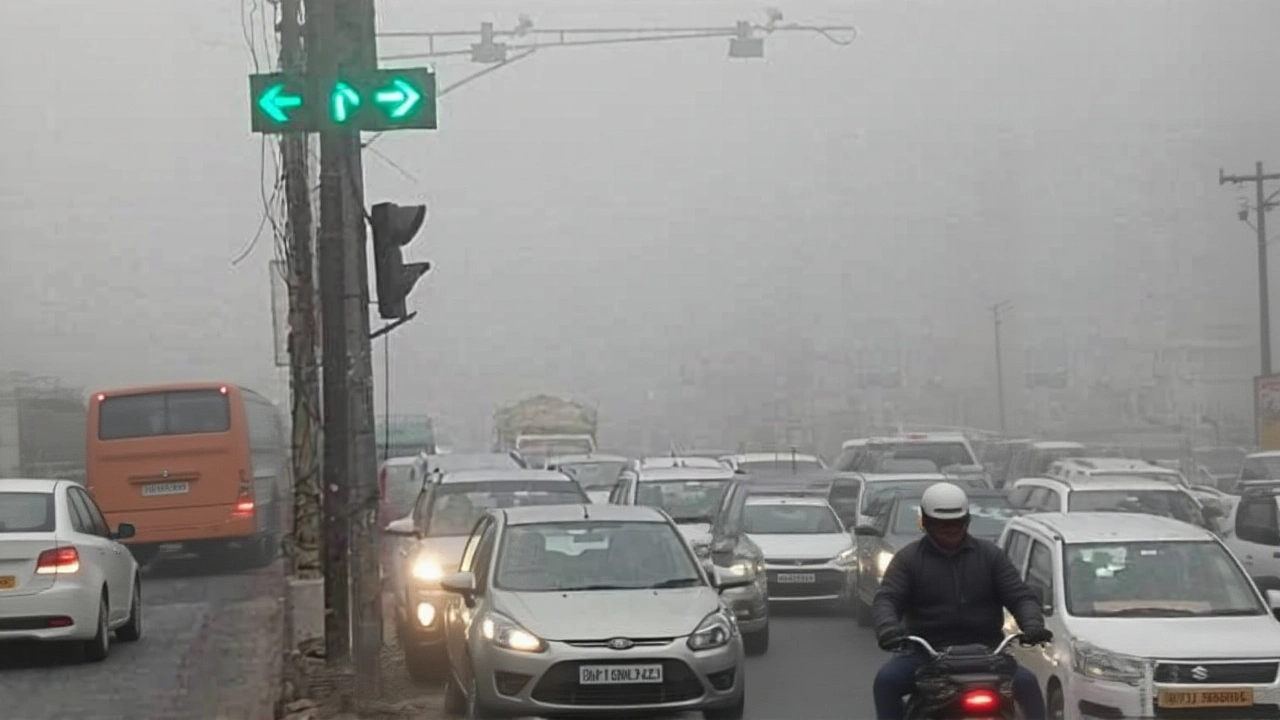
When India Meteorological Department, New Delhi issued its latest forecast on January 17, 2023, the message was clear and urgent: a severe cold wave is gripping North India and isn't letting go anytime soon. Residents across the region are facing plummeting temperatures and visibility dropping to near zero as dense fog blankets the landscape.
The agency confirmed that conditions will remain hazardous until at least January 19, 2023. To manage the risk, officials have slapped a yellow alert on 43 districts in Uttar Pradesh. This isn't just a mild chill; it's a full-blown weather event affecting transport, health, and daily life for millions.
A Blanket of Ice and Fog
Here’s the thing about winter in this part of the country—it doesn’t just get cold; it gets heavy. The combination of sub-zero nighttime lows and thick morning fog creates a treacherous mix. According to reports from ABP Live Hindi, the situation is particularly acute in eastern Uttar Pradesh.
The yellow alert specifically targets areas where the cold wave meets dense fog. We’re talking about districts like Banda, Chitrakoot, Kaushambi, Prayagraj, Fatehpur, Pratapgarh, Sonbhadra, Mirzapur, and Chandauli. In these places, visibility can drop below 200 meters during peak hours. For drivers, that’s terrifying. For farmers, it’s a threat to crops vulnerable to frost damage.
But wait, it’s not just UP. The ripple effect stretches across state lines. Punjab, Haryana, Delhi, and Rajasthan are all under similar scrutiny. The western disturbances driving this system are moving slowly, prolonging the misery. It’s a classic mid-January pattern, but the intensity this year has caught some off guard.
Who Is Affected and How?
The impact is immediate and tangible. Think about your morning commute. If you live in one of these 43 districts, you’re likely dealing with delayed trains and cancelled flights. Airports in the region often see significant disruptions when visibility dips. Road accidents spike because headlights reflect off the fog rather than cutting through it.
Health experts are also sounding alarms. Cold waves aren’t just uncomfortable; they’re dangerous for the elderly, young children, and those with respiratory issues. Asthma attacks become more frequent, and hypothermia risks rise, especially for those living in poorly insulated homes or working outdoors. The yellow alert serves as a critical warning to take precautions—layer up, stay indoors during peak fog hours, and avoid unnecessary travel.
Schools and colleges in affected zones may consider shifting timings or closing entirely. Local administrations are on high alert, coordinating with health departments to ensure emergency services are ready. It’s a logistical nightmare played out in real-time.
Regional Variations and Extended Forecasts
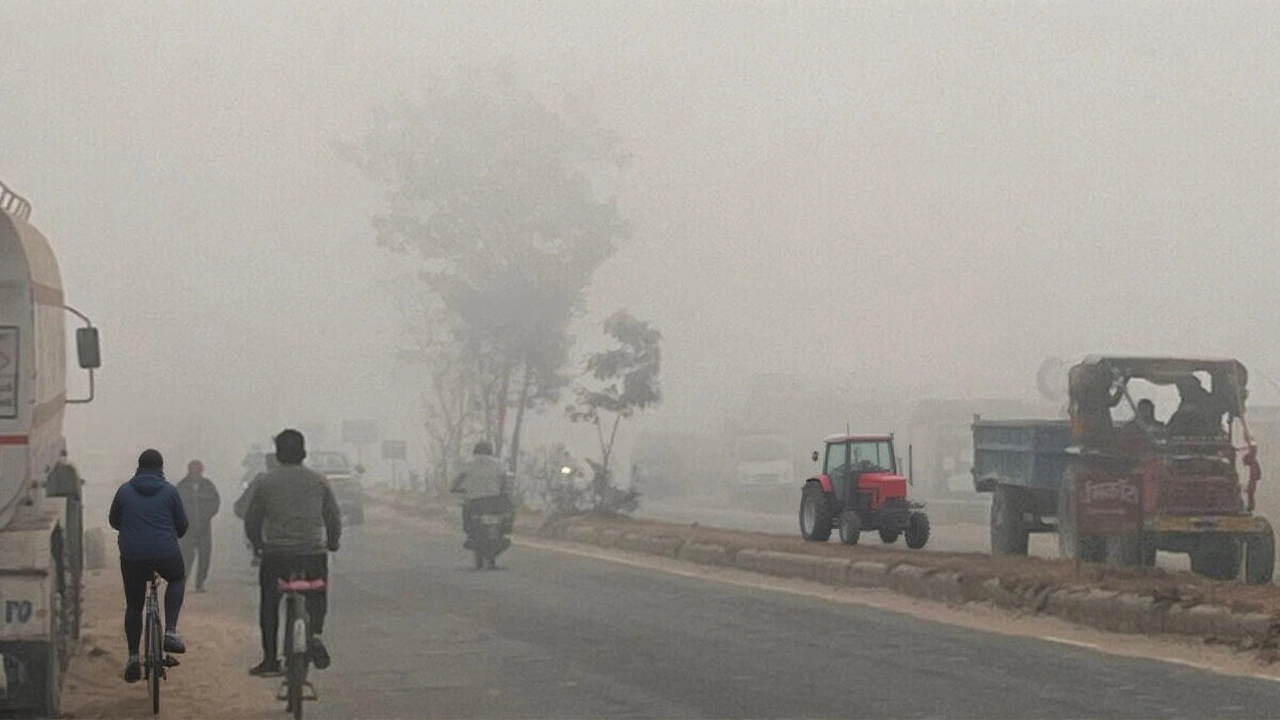
While the core focus is on Uttar Pradesh, other regions are feeling the pinch too. Live Hindustan reported that Punjab, Haryana, and Chandigarh faced "very dense fog" from the night of January 19 into the morning of January 20. Meanwhile, Uttar Pradesh could see dense to very dense fog lingering until the morning of January 21.
This extended timeline suggests the weather system won’t dissipate quickly. The western disturbances feeding the cold air mass are persistent. In contrast, southern states like Maharashtra, Gujarat, and Karnataka remained largely unaffected, enjoying relatively clear skies. Even parts of Northeast India saw lighter impacts compared to the north.
Interestingly, Sikkim and West Bengal also received alerts, showing how widespread the atmospheric shift was. But the epicenter remains the Indo-Gangetic plain, where topography traps cold air and moisture, creating perfect conditions for fog.
What Comes Next?
So, when does it end? The good news is that relief is on the horizon, albeit slow. Forecasts suggest the cold wave’s intensity may begin to wane after January 19. By January 21, fog conditions in Uttar Pradesh are expected to gradually improve. Temperatures might not skyrocket, but they should stabilize enough to make travel safer.
However, meteorologists caution against complacency. Weather patterns can be unpredictable. A sudden shift in wind direction or a new disturbance could alter the forecast. Residents are advised to keep monitoring updates from the IMD and local authorities.
Historically, January sees repeated cycles of cold waves driven by western disturbances. This event fits that pattern but stands out for its duration and severity in specific pockets. As climate change alters global weather systems, such extreme events may become more common, demanding better preparedness from infrastructure and individuals alike.
Frequently Asked Questions
Which specific districts in Uttar Pradesh are under the yellow alert?
The yellow alert covers 43 districts in Uttar Pradesh, including Banda, Chitrakoot, Kaushambi, Prayagraj, Fatehpur, Pratapgarh, Sonbhadra, Mirzapur, and Chandauli. These areas face combined threats of cold waves and dense fog, requiring heightened caution from residents and authorities.
How long will the cold wave last in North India?
The India Meteorological Department predicts the cold wave will persist until at least January 19, 2023. However, dense fog conditions may linger in Uttar Pradesh until January 21, while neighboring states like Punjab and Haryana see improvements around January 20. Gradual warming is expected thereafter.
What does a yellow weather alert mean?
A yellow alert indicates moderate risk. It means adverse weather conditions like cold waves or dense fog are expected, which can disrupt travel and affect health. While less severe than orange or red alerts, it requires vigilance, especially for vulnerable groups like the elderly and children.
Are other states besides Uttar Pradesh affected?
Yes, the cold wave impacts a broader region including Punjab, Haryana, Delhi, Rajasthan, Bihar, Sikkim, and West Bengal. Each area faces varying degrees of fog and temperature drops. Southern states like Maharashtra and Gujarat remain largely unaffected by this particular system.
What safety measures should residents take?
Residents should wear warm clothing, avoid unnecessary travel during peak fog hours (early morning and late evening), and use vehicle lights cautiously. Elderly and sick individuals should stay indoors. Monitor official weather updates regularly for changes in forecasts or school closures.